Respiratory Conditions Treatment in Waterlooville

Specialist Physiotherapy to Help You Breathe More Easily and Live More Actively

Living with a respiratory condition means that something most people never think about—breathing—becomes a daily challenge. Breathlessness does more than just limit your activity; it saps your energy, disrupts your sleep, and can make even simple tasks feel exhausting. Over time, this often leads to a cycle of declining function and social withdrawal that is difficult to break without specialist clinical support.

Respiratory physiotherapy is designed to break that cycle. Through evidence-based techniques for airway clearance, breathing retraining, and graded exercise, we help you manage your symptoms more effectively. The goal is to reduce the frequency of chest infections, manage “flare-ups” with more confidence, and significantly improve your capacity for physical activity.

Specialist Respiratory Physiotherapy in Waterlooville

At The Physiotherapy Centre, we offer a level of expertise rarely found in a community clinic setting. Respiratory conditions are treated here by Ruth De Vos, a PhD-qualified chartered physiotherapist with extensive clinical and research expertise in respiratory care.

Ruth’s advanced understanding of lung physiology allows for a highly specialized approach to treatment. We regularly support patients from across Waterlooville, Cosham, Havant, Petersfield, and Portsmouth, providing the expert guidance needed to breathe easier and live more actively.
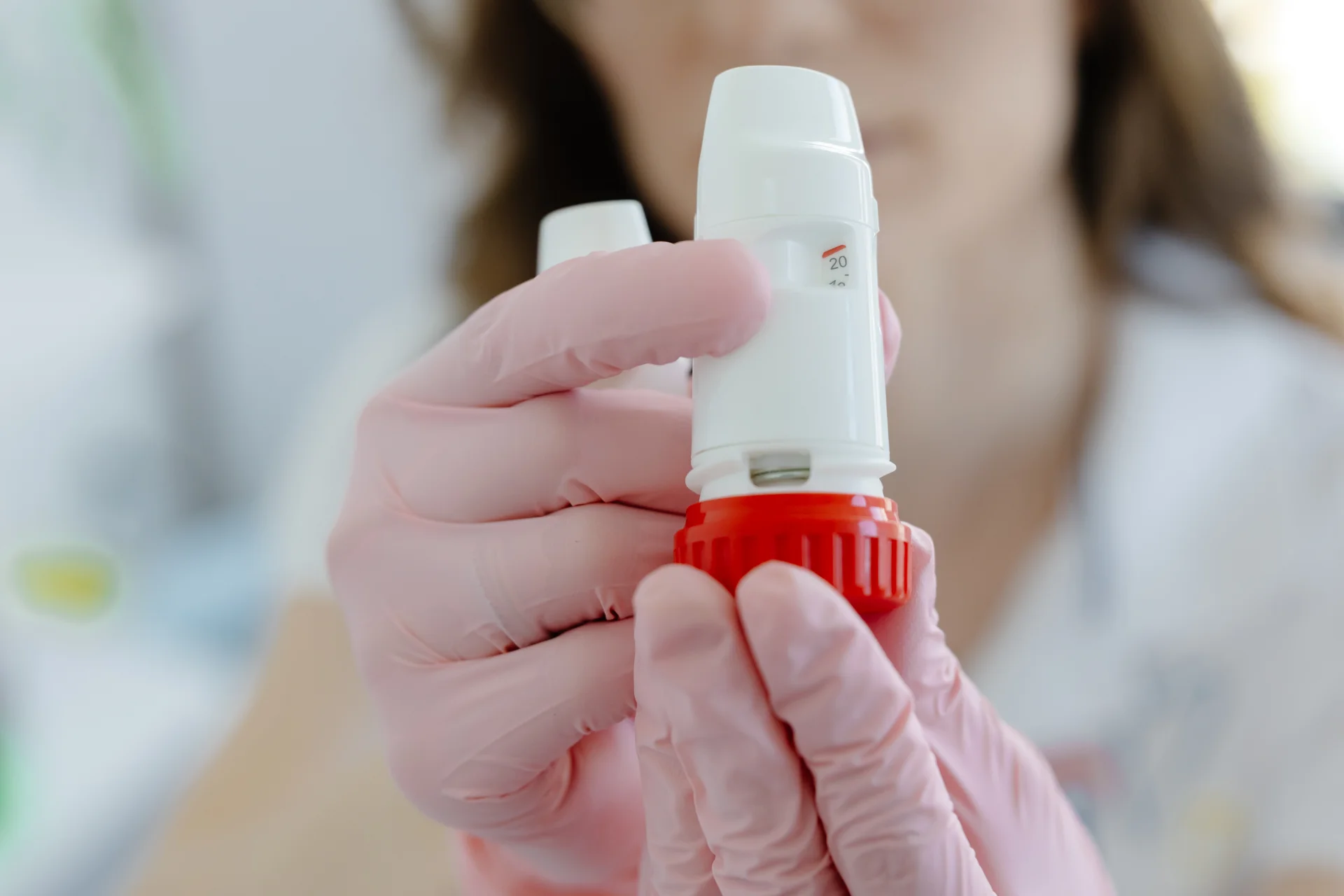
Respiratory Conditions

Understanding Respiratory Conditions

Asthma
Asthma is a chronic condition characterised by inflammation and narrowing of the airways, causing wheezing, breathlessness, chest tightness, and coughing. While medication (inhalers and preventers) is the cornerstone of asthma management, physiotherapy plays an important role in managing exercise-induced symptoms, correcting breathing pattern disorders that can mimic or worsen asthma, improving fitness and exercise tolerance, and teaching breathing techniques for managing acute symptoms.
Breathing pattern disorders are surprisingly common in people with asthma. Many patients develop abnormal breathing habits — such as upper chest breathing, hyperventilation, or breath-holding — that increase symptoms and reduce the effectiveness of inhalers. Respiratory physiotherapy identifies and corrects these patterns.
Bronchiectasis
Bronchiectasis is a chronic lung condition where the airways (bronchi) become permanently widened and damaged, leading to a build-up of mucus that is difficult to clear. This creates a cycle of mucus retention, bacterial colonisation, and recurrent chest infections that progressively damage the lungs.
Physiotherapy is a central part of bronchiectasis management. Regular airway clearance — using techniques such as the Active Cycle of Breathing Technique (ACBT), autogenic drainage, or oscillating PEP devices — helps keep the airways clear, reduces the frequency and severity of infections, and slows disease progression. The British Thoracic Society guidelines recommend that all patients with bronchiectasis should be taught airway clearance techniques by a specialist respiratory physiotherapist.
Breathing Dysfunctions
Breathing pattern disorders (also called dysfunctional breathing) occur when the normal mechanics of breathing become disrupted. This can cause breathlessness, air hunger, chest tightness, dizziness, and tingling in the hands and face — often in the absence of any abnormality on standard lung function tests.
Breathing dysfunctions are common, underdiagnosed, and frequently mistaken for asthma or anxiety. They can occur in isolation or alongside existing respiratory conditions, making the underlying condition appear worse than it is. Respiratory physiotherapy assesses your breathing pattern in detail and, where abnormalities are identified, provides structured retraining to restore a more efficient breathing pattern.
COPD (Chronic Obstructive Pulmonary Disease)
COPD is a progressive condition that includes chronic bronchitis and emphysema, causing persistent airflow limitation and breathlessness. It is most commonly caused by smoking, though long-term exposure to occupational dusts, chemicals, or air pollution can also contribute.

Physiotherapy for COPD focuses on breathing techniques to manage breathlessness (including pursed-lip breathing and paced breathing), airway clearance where sputum production is a problem, graded exercise to improve cardiovascular fitness and reduce the impact of breathlessness, and self-management strategies for coping with exacerbations (flare-ups). Pulmonary rehabilitation — a structured programme of exercise and education — is recommended by NICE for all patients with COPD who are limited by breathlessness. Ruth can provide an individualised equivalent at our clinic for patients who cannot access or prefer not to attend group-based programmes.

When to Seek Emergency Help

If you experience sudden, severe breathlessness that you cannot manage with your usual medications, chest pain, coughing up blood, or are unable to speak in full sentences due to difficulty breathing, call 999 or go to A&E immediately. Respiratory physiotherapy is for the ongoing management of diagnosed conditions, not acute emergencies.
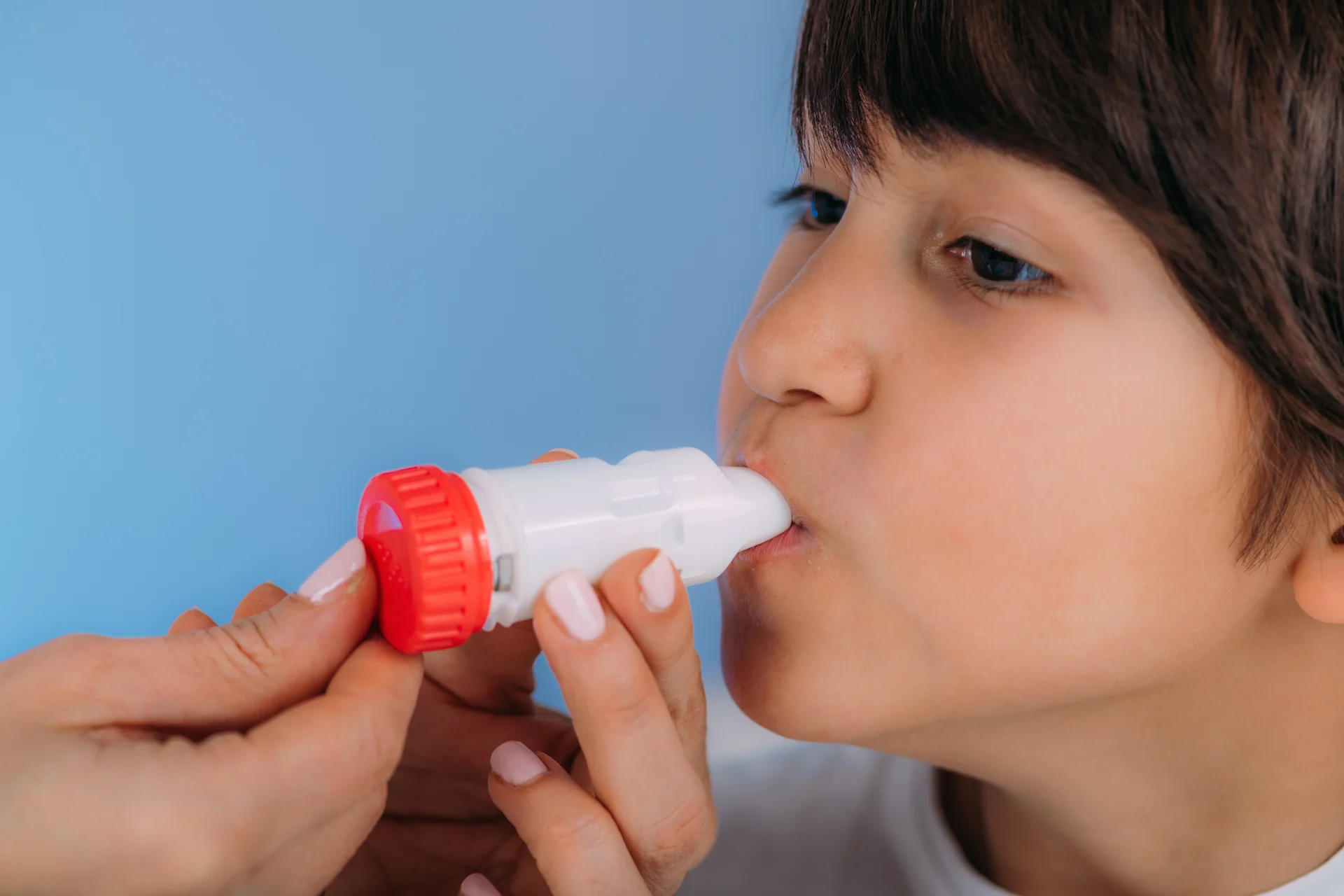
young woman closing her eyes while applying inhala 2026 03 09 22 09 17 utc

How We Treat Erectile Dysfunction

Your journey to better breathing starts with a meticulous clinical evaluation. Ruth conducts a detailed assessment of your breathing mechanics—looking at your rate, depth, and the specific muscles you recruit to breathe. This is followed by auscultation (listening to your chest) and a review of your exercise tolerance and functional capacity.
A critical part of Ruth’s approach is ensuring your current management is optimized; she will review your inhaler technique and medication use, alongside any available test results—such as spirometry, CT scans, or sputum cultures—to build a complete picture of your respiratory health.
For those living with conditions involving excess mucus, such as Bronchiectasis or COPD, an effective clearance routine is vital for preventing infections. Ruth specializes in finding the specific technique that fits your lifestyle and symptoms. Options include:
If you suffer from a breathing pattern disorder, you may be using your neck and upper chest muscles to do the work that your diaphragm should be doing. Ruth focuses on retraining your body toward efficient, diaphragmatic breathing and nasal breathing. By reducing the “over-recruitment” of accessory muscles, we can lower the feeling of breathlessness and restore a more natural, relaxed rhythm to your life.
Physical deconditioning is a significant driver of respiratory symptoms. As breathlessness makes you less active, your muscles weaken, which in turn makes you more breathless during simple tasks.
Ruth prescribes a graded exercise programme designed to break this cycle. Your plan is tailored to your current threshold, using pacing and breathing strategies to help you do more with less discomfort. Whether it is a walking programme, resistance training to maintain muscle mass, or stationary cycling, the goal is to raise your threshold for breathlessness and return you to the activities you enjoy.

Respiratory health is managed day-to-day, not just in the clinic. Ruth provides you with a clear “Action Plan” for managing flare-ups, advice on when to seek medical attention, and the confidence to use your clearance and breathing techniques independently. Our goal is to move you from a state of “reacting” to your symptoms to a state of proactive management.

patient handshaking with doctor at the office 2026 01 08 22 45 33 utc 1

What to Expect at Your First Appointment

At The Physiotherapy Centre, we recognize that respiratory health is about more than just lung capacity—it is about the quality of every breath you take. Your initial 45-minute consultation with Ruth is designed to be a thorough clinical investigation into your breathing mechanics and lifestyle.

Practicalities for your visit:

We believe in realistic expectations. Respiratory conditions are often chronic, meaning the goal of physiotherapy is not a “cure,” but rather optimal management and stability. Ruth will provide an honest assessment of your prognosis based on her PhD-level expertise. While breathing retraining techniques can sometimes offer an immediate sense of relief or “calming” of the system, improving your physical fitness and clearing long-standing secretions is a process that takes time. Most patients see a significant improvement in their daily energy levels and symptom control within six to eight weeks of consistent practice. Our goal is to empower you with the tools to manage your condition with confidence, reducing the fear often associated with breathlessness.

Pricing and Appointments

  • Initial Assessment £99 (45 minutes)

  • Follow-Up Session £95 (30 minutes)

We are recognised providers for Bupa, AXA PPP, Aviva, WPA, and Cigna.

Conveniently Located in Waterlooville

Frequently Asked Questions

Can respiratory physiotherapy help if my breathing tests are normal?

Yes. Breathing pattern disorders frequently cause significant breathlessness despite normal spirometry and lung function tests. This is one of the most common reasons for unexplained breathlessness. Ruth can assess your breathing pattern in detail and, where abnormalities are found, provide effective retraining. Many patients with normal lung function but persistent breathlessness see significant improvement.
For conditions like bronchiectasis, airway clearance is typically performed once or twice daily as part of a self-management routine. During chest infections or flare-ups, you may need to increase the frequency. Ruth will teach you the technique, help you establish a routine, and adjust it based on your response.
Yes — and it is one of the most effective treatments available. Exercise does not damage your lungs. Breathlessness during exercise is uncomfortable but not harmful. A graded programme that starts at an appropriate level and builds gradually will improve your fitness, reduce the impact of breathlessness on your daily life, and improve your overall wellbeing. NICE recommends exercise for all patients with COPD.
For bronchiectasis, yes. Regular airway clearance prevents mucus from sitting in the airways, which reduces the environment in which bacteria multiply. Many patients report a significant reduction in the frequency and severity of chest infections after establishing an effective clearance routine. For COPD, improved fitness and self-management strategies can help reduce exacerbation frequency.
Pulmonary rehabilitation is a structured group programme, typically run by the NHS over six to eight weeks, combining supervised exercise and patient education. Respiratory physiotherapy is one-to-one treatment tailored to your specific condition and needs. Ruth can provide an individualised equivalent of pulmonary rehabilitation at the clinic, as well as specialist assessment and treatment for conditions that pulmonary rehab does not cover, such as breathing pattern disorders and bronchiectasis management.
Yes, in many cases. Anxiety and breathing pattern disorders are closely linked — anxiety can trigger dysfunctional breathing, and dysfunctional breathing can trigger or worsen anxiety. Respiratory physiotherapy addresses the breathing component directly. If psychological support is also needed, Ruth can advise on appropriate onward referral alongside your breathing retraining.
Some patients benefit from an oscillating PEP device (such as an Aerobika or Flutter), which typically costs £30–50. However, many effective airway clearance techniques require no equipment at all. Ruth will recommend the most appropriate approach for your condition and teach you how to perform it effectively.
Ruth primarily treats adults. For younger patients with respiratory conditions, she can advise on appropriate onward referral. Teenagers with exercise-induced breathing difficulties may benefit from an assessment to rule out breathing pattern disorders.
This depends on your condition. Breathing pattern disorders often resolve within three to six sessions. Chronic conditions like bronchiectasis and COPD benefit from an initial course of sessions to establish an effective self-management routine, followed by periodic reviews to ensure your techniques remain effective and to adapt your programme as needed. The aim is always to equip you to manage your condition independently.
Yes. We are recognised by Bupa, AXA PPP, Aviva, WPA, and Cigna. Contact your insurer for an authorisation number before your first appointment.
Team

Meet the Team Supporting Your Recovery