
Evidence-Based Acupuncture for Pain Relief and Recovery
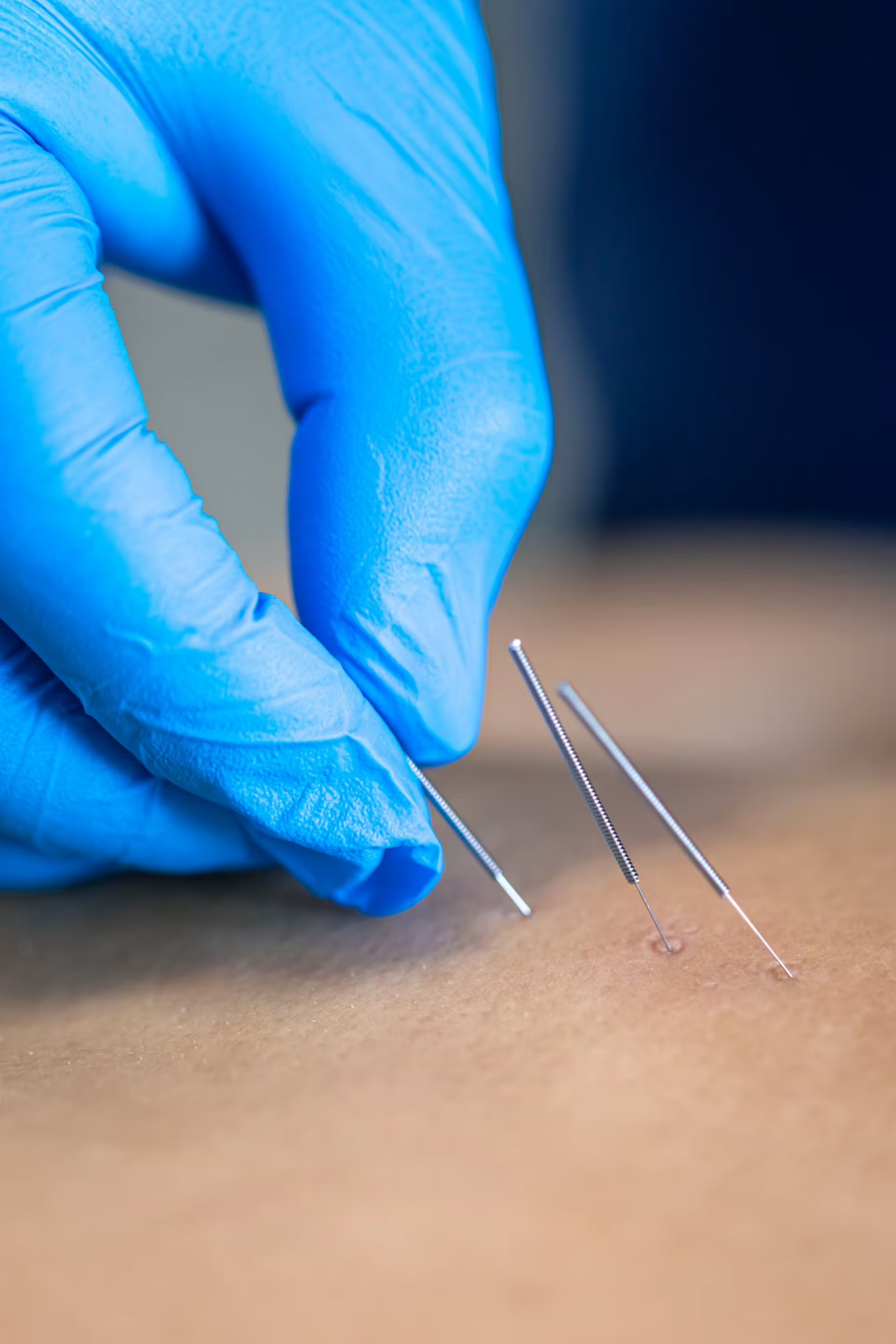
Acupuncture involves the insertion of fine, sterile needles into specific points on the body to reduce pain, promote healing, and support your recovery. When delivered by a trained physiotherapist, it is used as a clinically reasoned tool that complements your broader treatment plan—bridging the gap between manual therapy and active exercise.
At The Physiotherapy Centre, our chartered physiotherapists practise Medical Acupuncture (also known as Western Acupuncture or Dry Needling). This approach is grounded in modern anatomy and neurophysiology rather than traditional theory. It is a treatment option recommended by NICE for various chronic pain conditions, and we offer it to patients across Waterlooville, Havant, and the wider Hampshire area.
How Medical Acupuncture Works
- Pain Modulation: The needles stimulate nerves in the skin and muscle, sending signals to the brain and spinal cord to release natural pain relieving chemicals like endorphins and enkephalins.
- Trigger Point Release (Dry Needling): By targeting "knots" or trigger points in the muscle, the needle can provoke a local twitch response, helping the muscle to relax and restoring normal blood flow to the area.
- Reduced Inflammation: The process can stimulate a local healing response, increasing blood circulation to tissues that have become stagnant or chronically inflamed.
- Nervous System Regulation: It can help calm an overactive nervous system, which is particularly beneficial for patients dealing with long term, persistent pain.
Conditions We Treat
Low Back Pain and Neck Pain
Nerve Pain Such as Sciatica
Joint Pain
Osteoarthritis of the Knee
Tendon Injuries Such as Tennis Elbow
Headaches and Migraines
How We Treat: Our Approach
The Clinical Application of Acupuncture
Assessment and Clinical Reasoning
What Happens During Treatment
- Targeted Placement: Needles are placed in local points (near the pain), segmental points (targeting the nerve supply from the spine), or trigger points (tight knots in the muscle).
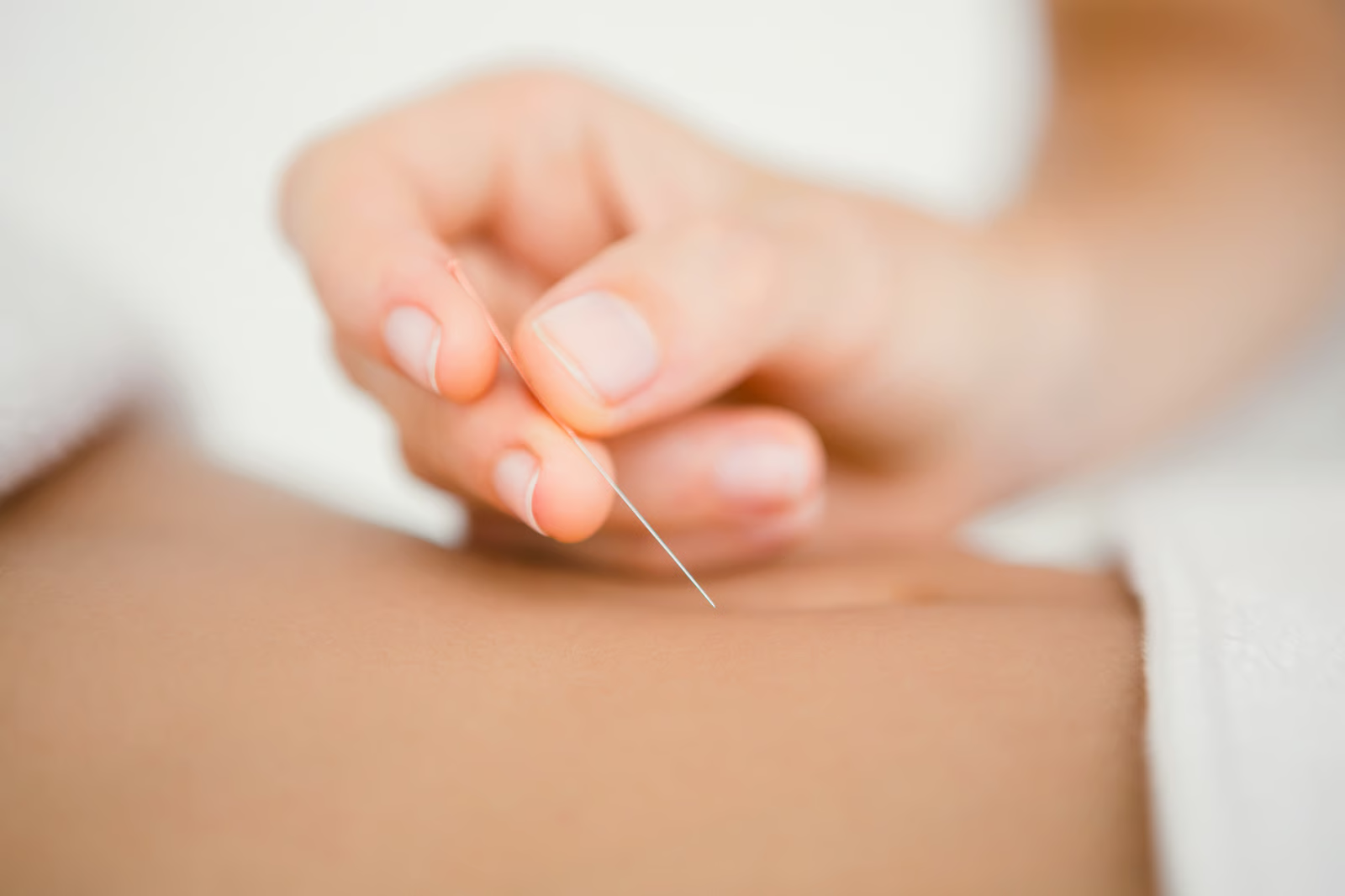
- The Sensation: Most patients feel very little upon insertion. You may experience a mild dull ache, a sense of warmth, or a slight tingling. This is known as the "De Qi" sensation and is a positive sign that your nervous system is responding to the stimulus.
- Duration: Needles typically remain in place for 15 to 30 minutes, during which time many patients feel a deep sense of relaxation.
How Acupuncture Works: The Science
- Natural Pharmacy: It stimulates the brain to release endorphins and serotonin, your body’s most powerful natural pain relievers.
- Pain Gate Control: It helps close the gate on pain signals travelling to the brain via the spinal cord.
- Tissue Environment: It reduces local inflammation and muscle tension while increasing blood flow to the area, providing the oxygen and nutrients needed for tissue repair.
Safety and Practicalities
- Chartered Expertise: All our clinicians providing acupuncture are members of the AACP (Acupuncture Association of Chartered Physiotherapists), ensuring the highest standards of safety and clinical reasoning.
- Course of Treatment: While some patients feel an immediate lift in symptoms, the effects are often cumulative. We typically recommend a course of 3 to 6 sessions to achieve the best long term results.
- Aftercare: You may feel slightly tired or sleepy after treatment. We recommend staying well hydrated and avoiding strenuous exercise for a few hours following your session.
What to Expect at Your First Appointment
Your Acupuncture Appointment: What to Expect
Practicalities for your visit:
- What to wear: Please wear loose, comfortable clothing. Depending on your condition, your physiotherapist may need to access your back, neck, arms, or legs. We always ensure your comfort and privacy are maintained throughout the session.
- Preparation: You do not need to do anything specific to prepare, though it is usually best not to attend on a completely empty stomach.
- Post-Treatment Sensation: Most patients feel very relaxed or even slightly drowsy immediately after the needles are removed.
Recovery and Results
- Immediate Relief: Some patients notice a reduction in pain or improved mobility before they even leave the clinic.
- Cumulative Benefit: For others, the effects are more subtle and build over several sessions as the nervous system becomes less sensitive and muscle tension gradually resets.
Pricing and Appointments
-
Initial Assessment £79 (45 minutes) or £89 (60 minutes)
-
Follow-Up Session £78 (30 minutes)
Conveniently Located in Waterlooville
- The Physiotherapy Centre 96 London Road, Widley, Waterlooville, Hampshire, PO7 5AB
- Mon: 8.00–7.00 | Tue: 8.00–7.30 | Wed: 8.00–8.00 | Thu: 8.00–7.00 | Fri: 8.00–5.00 | Sat: 8.30–1.00
- We serve patients from Widley, Purbrook, Waterlooville, Cosham, Havant, and Petersfield. The clinic is on the old A3 / London Road, just north of Portsdown Hill, near the Hampshire Rose pub. The No. 8 bus (Bushy Mead) stops just up the road.