
Regain Your Balance and Confidence
Dizziness, vertigo, and a loss of balance can be deeply unsettling, turning simple daily tasks like walking down the street or turning your head into overwhelming challenges. The vestibular system—the intricate inner ear and brain network that controls your balance and spatial orientation—can be disrupted by infection, head trauma, or inner ear conditions.
At The Physiotherapy Centre, our specialist Vestibular Physiotherapy service is dedicated to diagnosing and treating balance disorders. Using targeted, evidence-based techniques, we help “recalibrate” your vestibular system so you can move with confidence again.
Conditions We Treat
Our specialist vestibular service provides expert care for a wide range of balance-related issues:
- Benign Paroxysmal Positional Vertigo (BPPV): A common inner ear condition causing sudden, intense spins when changing head positions.
- Vestibular Neuritis & Labyrinthitis: Dizziness and balance issues following an inner ear infection or inflammation.
- Persistent Postural-Perceptual Dizziness (PPPD): A persistent sense of unsteadiness, rocking, or spatial disorientation.
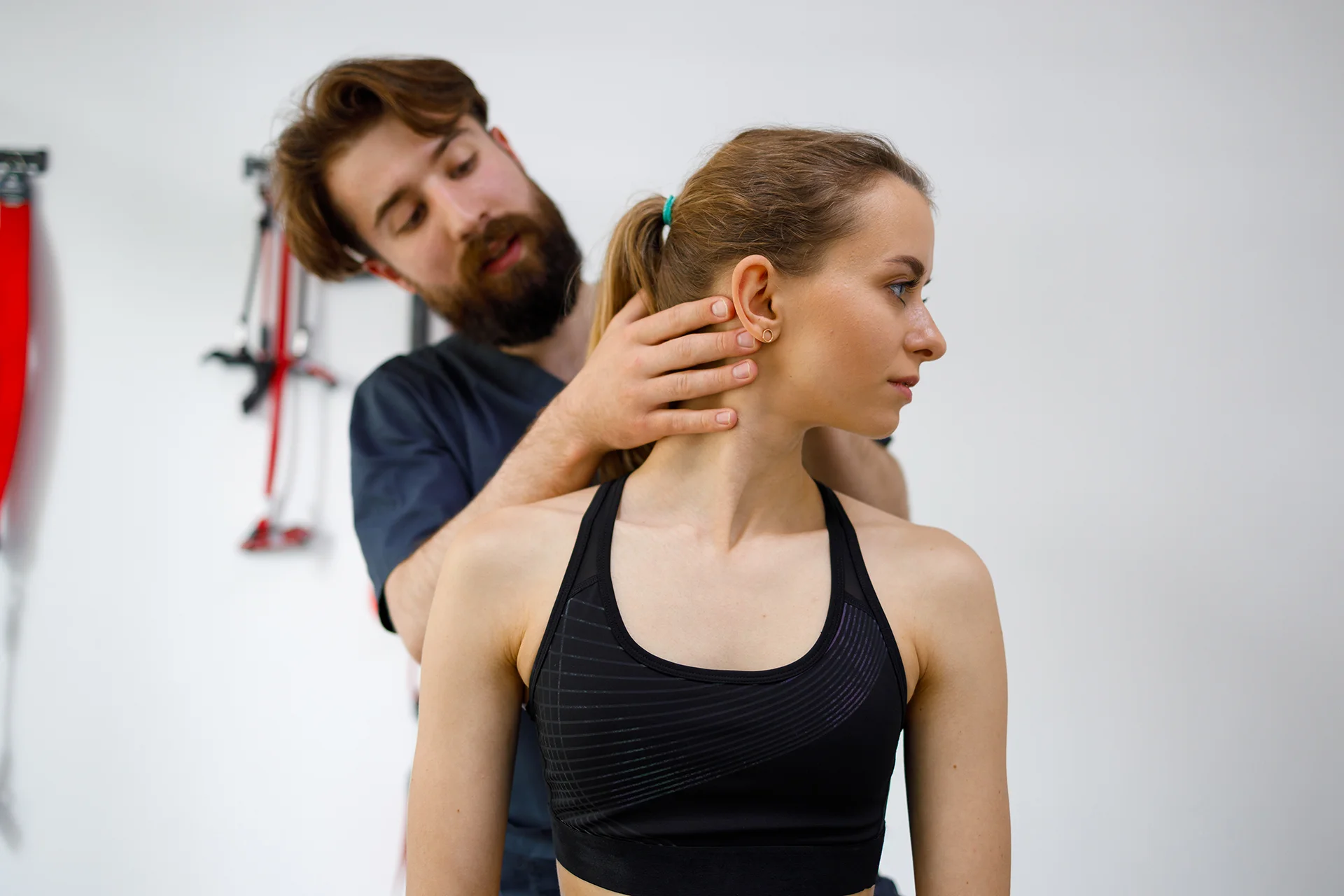
- Cervicogenic Dizziness: Dizziness stemming from neck stiffness, dysfunction, or past whiplash injuries.
- Age-Related Balance Decline: General unsteadiness, fear of falling, and reduced confidence when walking.
How Vestibular Physiotherapy WorksHow Vestibular Physiotherapy Works
The vestibular system works closely with your vision and your body’s joint sensors (proprioception). When one of these systems sends incorrect signals to the brain, dizziness occurs.
Our clinical approach includes:
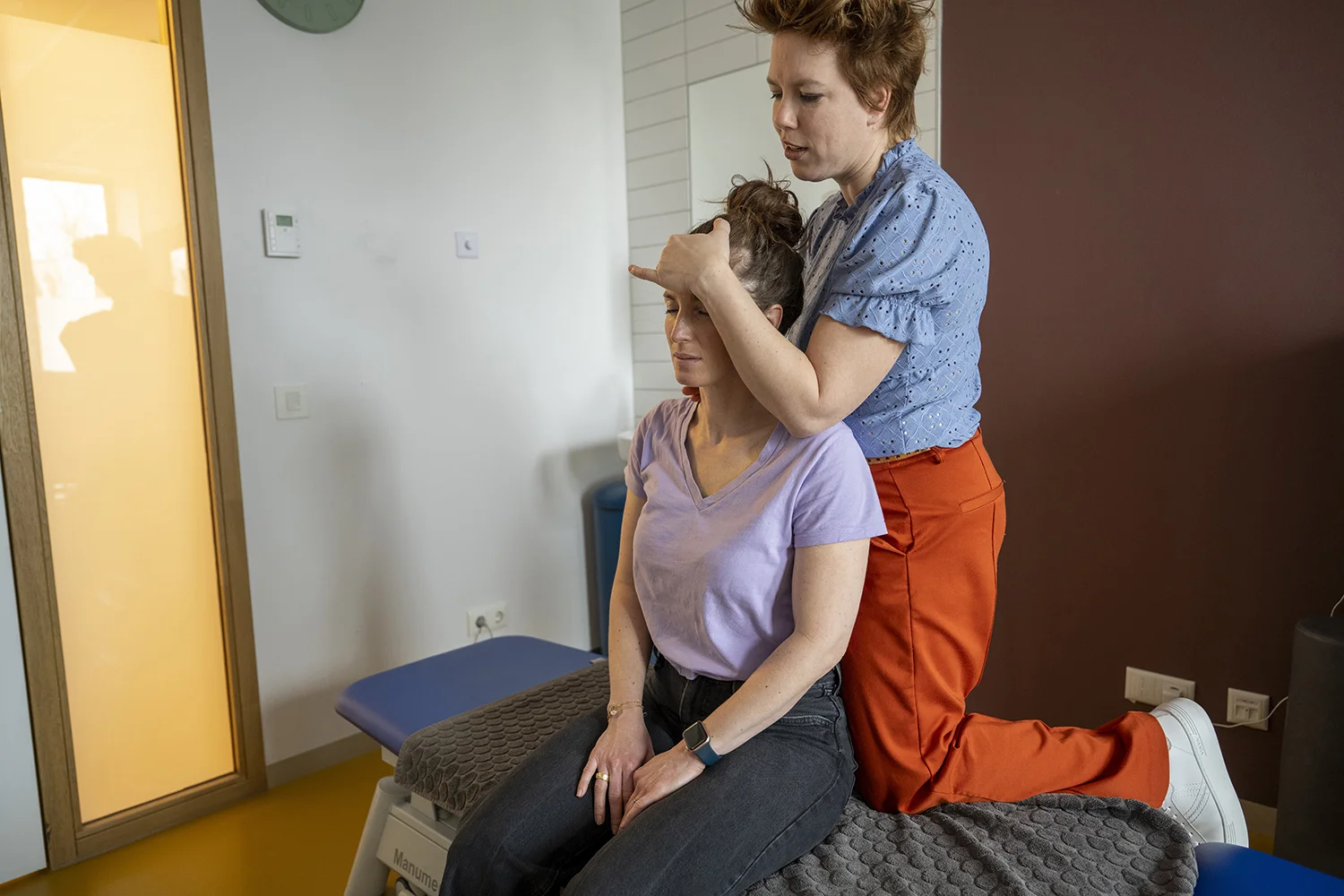
- Particle Repositioning Manoeuvres: For conditions like BPPV, we use specific, controlled head movements (such as the Epley Manoeuvre) to clear displaced calcium crystals from your inner ear canals—often providing rapid relief.
- Vestibular Rehabilitation Therapy (VRT): A tailored exercise programme designed to promote "habituation" and "adaptation." We train your brain to adapt to misaligned balance signals and rely correctly on your vision and body sensors.
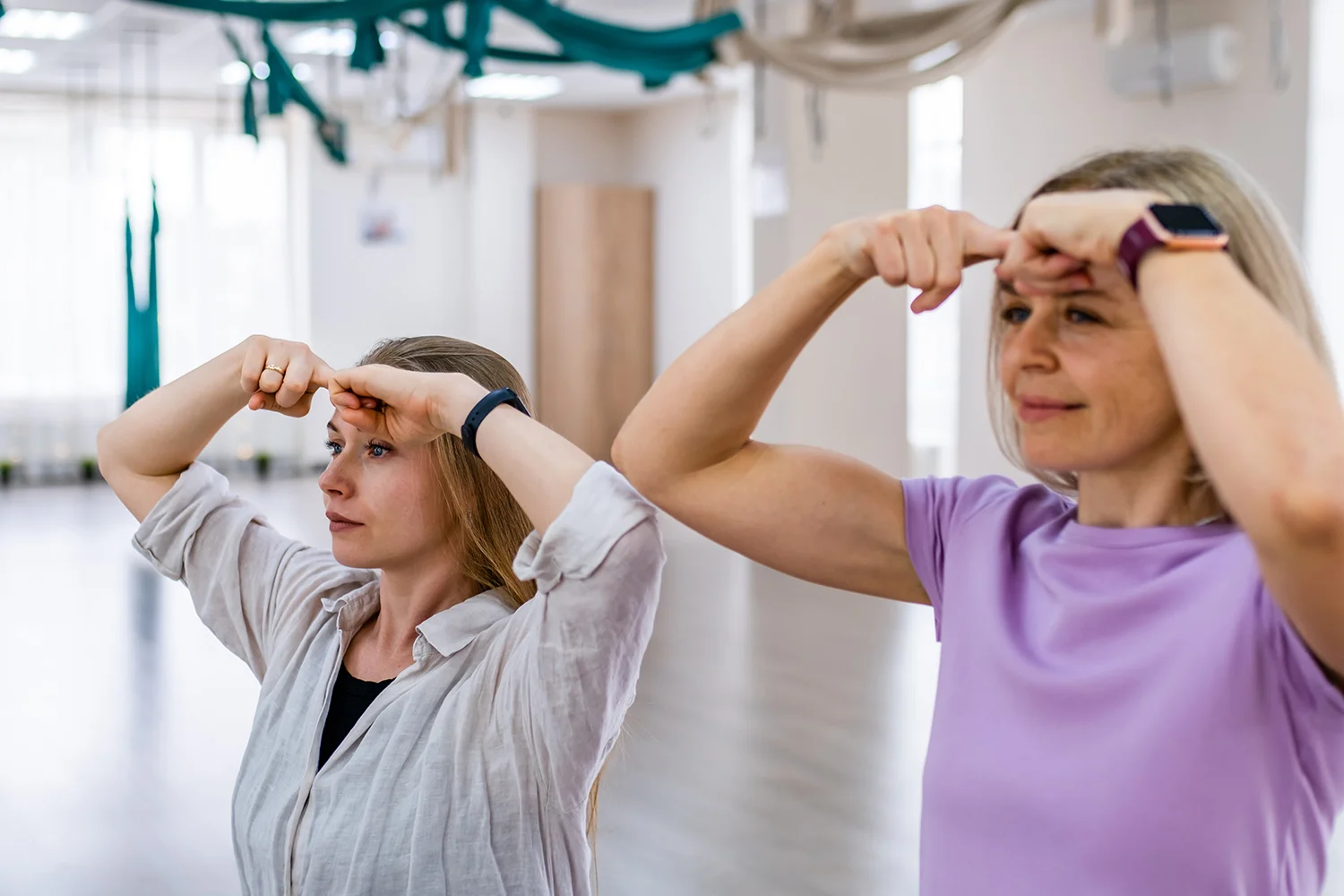
- Gaze Stabilisation: Specific eye and head coordination exercises to stop the world from "jumping" when you move your head.
- Balance & Gait Retraining: Rebuilding your physical stability on different surfaces to reduce your fall risk.
Your First Appointment
Vestibular assessments require a detailed, methodical approach. We ensure your first session is unhurried, safe, and supportive.
Practicalities for your visit:
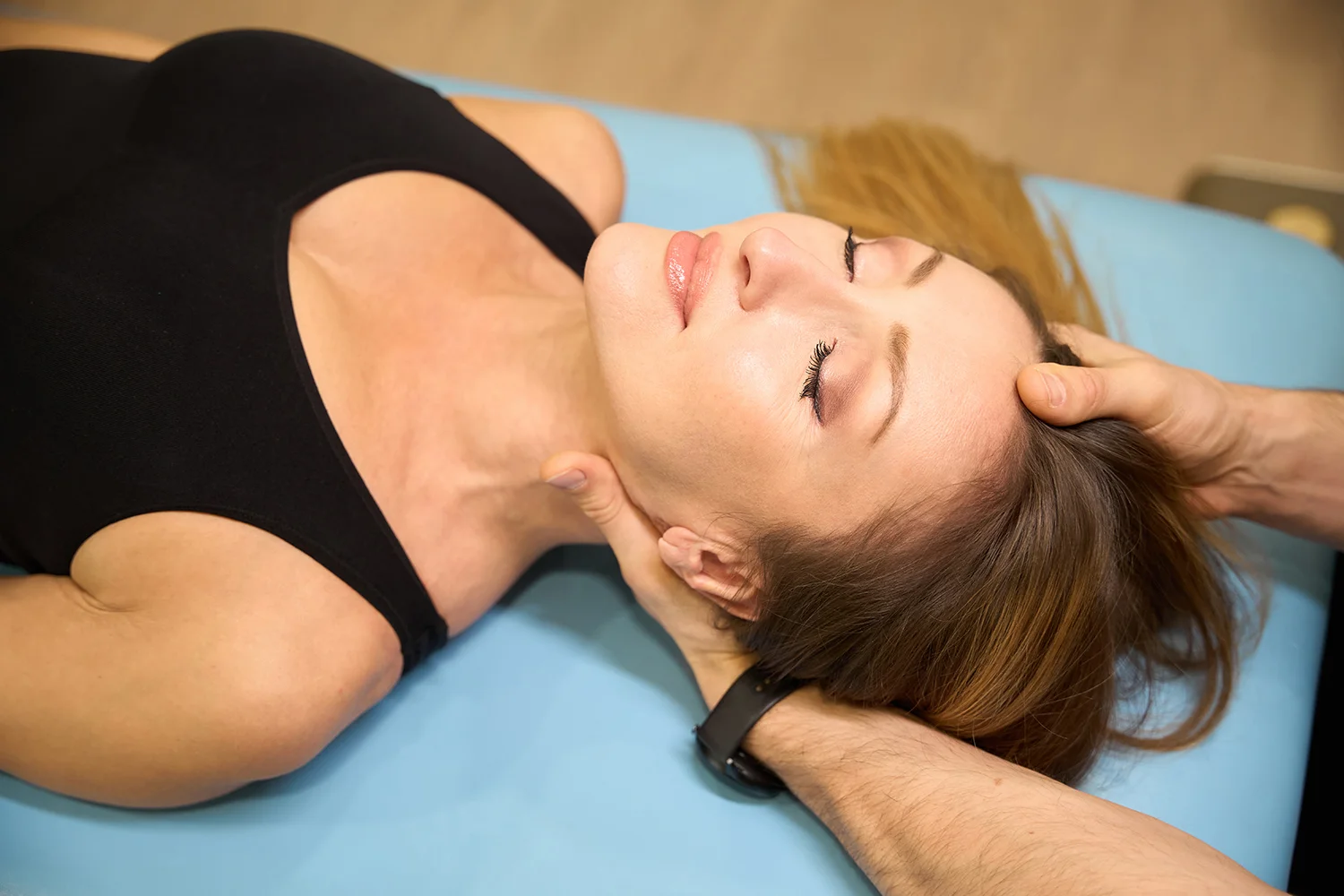
- A Comprehensive 45-Minute Assessment: Your specialist physiotherapist will take a detailed history of your symptoms and carry out specific neurological and inner-ear tests (including eye movement tracking and balance tests).
- What to expect: Some assessment movements may temporarily provoke a mild, brief sensation of dizziness—this is completely normal and necessary for us to pinpoint the exact source of your issue.
- Transportation: Because testing can sometimes leave you feeling temporarily lightheaded, we recommend having someone drive you to and from your initial assessment if possible.
- A Targeted Plan: You will leave with a clear diagnosis and a set of simple, manageable home exercises to begin your rehabilitation.
Honesty in Vestibular Rehab
We believe in realistic expectations. Treating balance disorders requires patience and consistency.
Clinical Note: While BPPV can often be resolved in just one or two sessions, other vestibular conditions take time to adapt.
For chronic dizziness or post-viral vestibular issues, progress relies on “retraining” your brain. You may find that doing your balance exercises initially makes you feel slightly dizzy—this is actually a sign that the brain is learning and adapting. With consistent daily practice, most patients see a significant reduction in symptoms within six to eight weeks. We will guide you safely through that process every step of the way.